
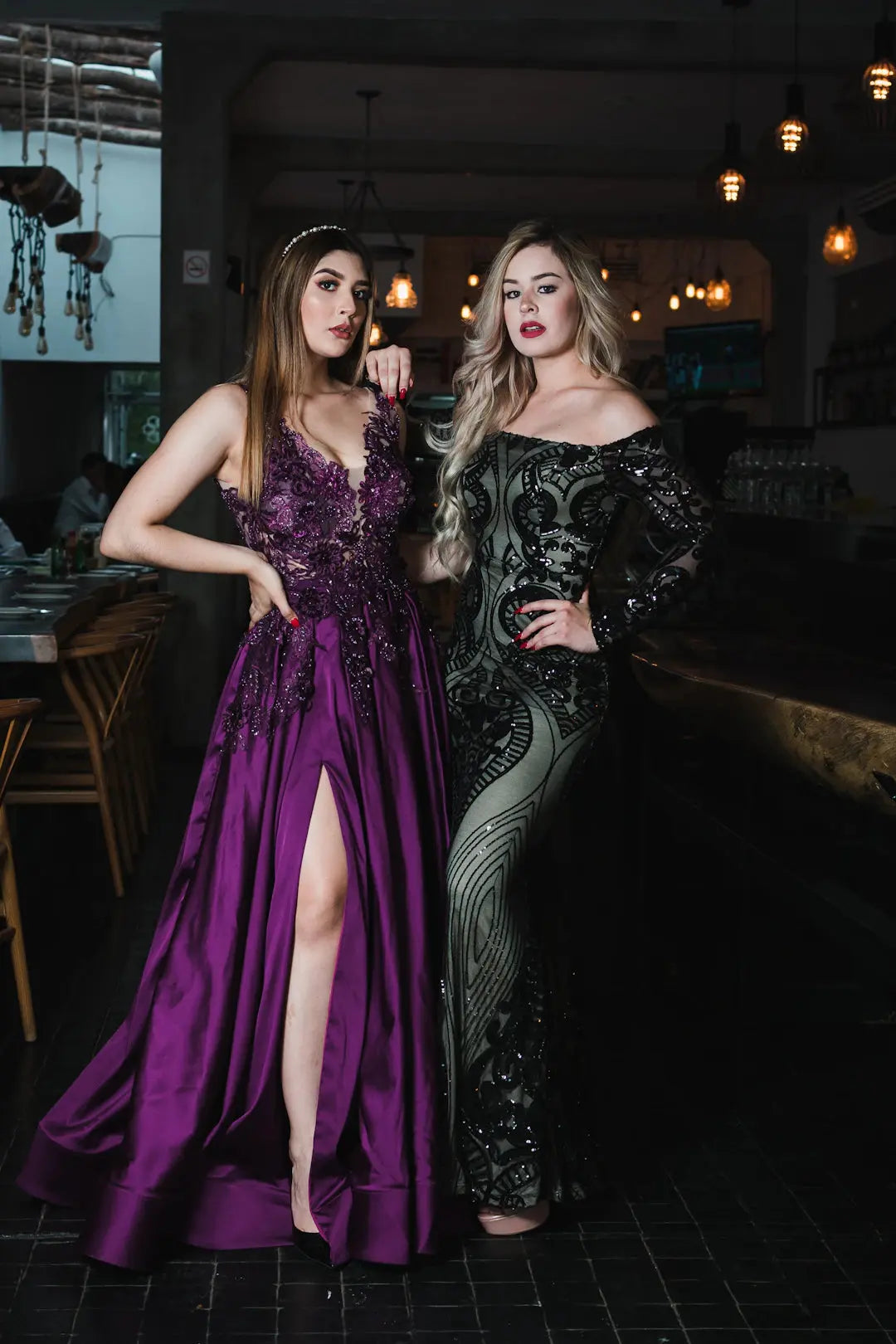
The Evolution of Women's Dresses: A Historical Perspective
Overview
This article explores the rich history of women's dresses, tracing their evolution from ancient civilizations to contemporary fashion. Readers will learn how social, cultural, and political changes have influenced dress styles over time, reflecting shifts in femininity, status, and individual expression. By examining key periods and trends, the article highlights the ongoing journey of women's fashion and its significance in personal identity today.
Table of Contents
- Early Dress Styles: Ancient Civilizations
- Egyptian Influence
- Greco-Roman Innovations
- The Middle Ages: Modesty and Layers
- The Influence of the Church
- Rebirth of Elegance: The Renaissance
- The 18th Century: Rococo Splendor
- Key Characteristics of Rococo Dresses
- The Shift towards Simplicity
- The 19th Century: The Birth of Modern Fashion
- The Victorian Era
- From Corsets to Bustle
- The 20th Century: Revolutionary Changes
- The Flapper of the 1920s
- Post-War Styles and the 1960s
- The 21st Century: Diversity and Luxury
- Contemporary Fashion Trends
- Inclusivity in Fashion
- The Future of Women's Dresses: Where Do We Go From Here?
- Sustainable Fashion
- Technological Integration
- The Journey Continues
Key Takeaways
- Historical Significance: Women's dresses have evolved as reflections of social, cultural, and political changes throughout history.
- Ancient Innovations: Early dresses, such as the Egyptian sheath, emphasized functionality and social status, often adorned with jewelry.
- Renaissance Revival: The Renaissance period introduced vibrant colors and intricate designs, marking a shift towards more elaborate fashion.
- Victorian Era Transformation: The 19th century saw a focus on fitted silhouettes and the introduction of the sewing machine, revolutionizing women's fashion.
- 20th Century Shifts: The Flapper dress of the 1920s symbolized freedom, while the 1960s embraced bold patterns and the mini skirt, reflecting cultural liberation.
- Modern Diversity: Contemporary fashion celebrates inclusivity, offering styles that cater to various body types and personal expressions.
- Sustainability and Technology: The future of women's dresses is poised for innovation, with a focus on sustainable practices and smart fabrics enhancing functionality.
The evolution of women's dresses mirrors the shifting tides of social, cultural, and political environments. Throughout history, dresses have served not only as functional garments but as symbols of femininity and status. From the flowing robes of ancient civilizations to today’s luxury velvet dress, each period has contributed uniquely to women’s fashion. This article takes you on a journey through time, exploring how women's dresses have transformed over the ages.
Early Dress Styles: Ancient Civilizations
In ancient civilizations, the concept of dress was closely tied to functionality and social status. The earliest dresses, dating back thousands of years, were made from natural fibers and draped around the body. For instance, in Ancient Egypt, women wore simple linen dresses, often adorned with jewelry that signified their wealth and status.
Egyptian Influence
Egyptian women would typically wear a sheath dress that fell from the shoulders, made from lightweight linen. They often accessorized with beads and precious materials, showcasing their social standing. The Egyptians' focus on beauty and femininity laid the groundwork for future styles.
Greco-Roman Innovations
The Greeks and Romans brought about significant innovations in women's dresses. The Greek chiton and the Roman stola emphasized flowing lines and grace. These designs often incorporated vibrant dyes and embellishments, reflecting the women's social ranking and family heritage.
The Middle Ages: Modesty and Layers
As we moved into the Middle Ages, the ideals of modesty took center stage, influencing the design and functionality of women's clothing. Dresses became layered and structured, with the emergence of corsets and heavier fabrics.
The Influence of the Church
During this period, the influence of the Church dictated many aspects of life, including fashion. Women’s dresses were often long and covered, with veils being a common accessory. The focus was on modesty, with garments often made from wool or silk, colors muted compared to previous eras.
Rebirth of Elegance: The Renaissance
The Renaissance signaled a shift towards more vibrant fashion, embodying renewed interest in arts and humanism. Women’s dresses from this period featured elaborate designs with intricate embroidery, luxurious fabrics, and sometimes even gemstone embellishments.
The 18th Century: Rococo Splendor
The 18th century introduced the Rococo style, characterized by extravagance and flamboyance. Women wore ornate dresses that often featured large skirts supported by crinolines and were made from luxurious materials like silk brocade.
Key Characteristics of Rococo Dresses
- Elaborate Decoration: Ribbons, lace, and floral designs were commonplace.
- Silhouette: The structure emphasized an hourglass figure.
- Color Palette: Pastels took precedence, with light pinks, blues, and creams dominating.
The Shift towards Simplicity
However, as the century progressed and the French Revolution gained momentum, fashion began to shift once again. The desire for simplicity led to the decline of extravagant dress styles and the rise of the more austere and practical garments.
The 19th Century: The Birth of Modern Fashion
The 19th century marked a significant turning point in the history of women's dresses. The Industrial Revolution revolutionized the production of textiles, allowing for a wealth of new fabrics and mass production of clothing.
The Victorian Era
The Victorian period brought about a focus on femininity and modesty, yet also the introduction of fitted silhouettes. Dresses featured high necklines, cinched waists, and elaborate layers. The invention of the sewing machine allowed for increased accessibility and variety in women’s fashion.
From Corsets to Bustle
During this period, dresses transitioned from the tightly corseted looks to the voluminous skirts supported by bustles. Fabrics like taffeta and satin became popular, showcasing intricate designs and embellishments. This era also saw the introduction of shorter skirts in the latter part, laying the groundwork for modern fashion.
The 20th Century: Revolutionary Changes
The 20th century was marked by dramatic shifts in fashion influenced by political movements, changes in societal roles of women, and technological advancements.
The Flapper of the 1920s
The 1920s heralded the Roaring Twenties, characterized by the flapper dress. This look was a significant departure from the previous century's conservatism. The flapper dress featured dropped waists and less restrictive fabrics, allowing women more freedom of movement.
Post-War Styles and the 1960s
Following World War II, dresses transitioned into sophisticated designs catered to the modern woman. The introduction of ready-to-wear collections democratized fashion. By the 1960s, bold patterns and vibrant colors came into vogue, reflecting the cultural revolution of the time. The mini skirt made its debut, symbolizing independence and liberation.
The 21st Century: Diversity and Luxury
As we entered the 21st century, the evolution of women's dresses reached new heights of diversity and innovation. Fashion today embraces various silhouettes, blends of styles, and cultural influences.
Contemporary Fashion Trends
The luxury velvet dress, for instance, symbolizes modern elegance. Its rich textures and versatile styling options allow women to express their individuality while remaining chic and classy. Whether paired with casual footwear or dressed up with accessories, a luxury velvet dress can fit into various occasions seamlessly.
Inclusivity in Fashion
Modern dress styles promote inclusivity, offering variations that cater to different body types. This transformation raises awareness of diverse representation in fashion, leading brands to become more responsive to the needs of their consumers.
The Future of Women's Dresses: Where Do We Go From Here?
The future of women’s dresses looks promising, with innovation and sustainability at the forefront. As trends continue to evolve, we can expect the blending of technology and fashion to enhance how garments are created and worn.
Sustainable Fashion
The focus on sustainability is becoming a focal point for many designers as eco-friendly practices gain traction. Expect to see more use of organic materials and innovative designs that minimize waste while maximizing style.
Technological Integration
With advancements in technology, we may see dresses that incorporate smart fabrics, allowing for multifunctionality and further personalization. Custom-fit options and on-demand production will likely reshape how consumers approach fashion in the future.
The Journey Continues
The story of women's dresses is ongoing, forever evolving in response to cultural shifts and individual expressions. Each period has left its mark, giving us an expansive and rich history to draw on as we create our personal styles today. The luxury velvet dress, for example, eloquently continues this legacy—combining timeless elegance with modern flair, and encouraging every woman to embrace her individuality and confidence in every moment she dresses.
As we celebrate the journey of women’s fashion, we invite you to explore the power of dress and the ever-changing landscape it represents. Whether you’re channeling the grandeur of earlier eras or opting for minimalist modern styles, remember that your dress tells a story uniquely yours.
Frequently Asked Questions
1. How have women's dresses evolved over time?
2. What were some key influences on early dress styles in ancient civilizations?
3. What characterized women's dresses during the Renaissance?
4. What fashion shifts occurred during the 20th century?
5. What is the future direction of women's fashion?
Glossary
| Term | Meaning |
|---|---|
| Chiton | A Greek garment made of a single piece of cloth, often worn by women. |
| Stola | A Roman dress worn by women, symbolizing their status as free citizens. |
| Rococo | An 18th-century style characterized by ornate designs and extravagant fabrics. |
| Victorian Era | A period marked by modesty and fitted silhouettes in women's fashion. |
| Flapper Dress | A 1920s style featuring dropped waists and less restrictive fabrics. |
| Mini Skirt | A short skirt that became popular in the 1960s, symbolizing liberation. |
| Sustainable Fashion | Fashion that emphasizes eco-friendly practices and materials. |
| Luxury Velvet Dress | A modern dress style known for its rich texture and elegance. |
| Inclusivity in Fashion | Fashion that caters to diverse body types and promotes representation. |
| Technological Integration | Incorporating technology in fashion for personalization and functionality. |
Linked Product

SCARLETT V VELVET DRESS
The SCARLETT V VELVET DRESS is designed to make a statement with its rich crimson hue and dramatic feather-trimmed neckline. Featuring voluminous puff sleeves and a body-hugging silhouette, this dress combines elegance and comfort, allowing for easy movement. Ideal for upscale events, it ensures you feel confident and stunning while enjoying every moment.
View Product